Canada’s energy industry operates across some of the most geographically challenging environments in the world. From oil sands operations in Northern Alberta to hydroelectric projects in Québec, renewable energy developments in Saskatchewan, and utility infrastructure projects across remote regions, field teams are often required to work far from major urban centres. As a result, effective energy sector travel management has become a critical component of operational success.
Table of Contents
- Why Travel Management Matters in the Energy Industry
- The Growing Need for Remote Workforce Lodging in Canada
- Key Components of Effective Energy Travel Management
- Best Practices for Crew Accommodation Planning
- Technology’s Role in Modern Lodging Hospitality Management
- Utility and Energy Sector Lodging Challenges
- Building a Sustainable Travel Management Strategy
- The Future of Remote Workforce Lodging
- Conclusion
Remote crews require more than transportation and lodging bookings. They need coordinated workforce mobility solutions that support safety, productivity, compliance, and cost control. Companies that invest in structured energy travel management strategies are better positioned to reduce administrative burdens, improve crew satisfaction, and maintain project timelines even in demanding environments. As workforce mobility continues to evolve, organizations across Canada’s energy landscape are looking for scalable approaches to workforce accommodations, travel coordination, and operational logistics.
Why Travel Management Matters in the Energy Industry
Unlike traditional business travel, energy-sector workforce travel involves unique logistical challenges. Employees may be deployed to isolated project locations, rotational work camps, transmission line construction sites, or utility maintenance projects that span vast geographical areas.
Without a structured system, organizations often encounter:
- Rising accommodation costs
- Inconsistent booking processes
- Reduced visibility into workforce locations
- Scheduling conflicts
- Administrative inefficiencies
- Compliance and safety concerns
A strategic approach to energy sector travel management helps organizations centralize planning, standardize processes, and maintain operational control over workforce movements.
The Impact on Productivity
When accommodations and travel arrangements are poorly coordinated, crews spend valuable time resolving logistical issues rather than focusing on project execution. Efficient travel planning ensures workers arrive on schedule, remain comfortable during their assignments, and can concentrate on delivering results in the field. Organizations that streamline crew accommodations often experience:
- Reduced downtime
- Improved workforce satisfaction
- Better resource allocation
- Enhanced operational efficiency
- Stronger project performance
The Growing Need for Remote Workforce Lodging in Canada
Canada’s vast geography presents significant challenges for companies managing field personnel. Many projects are located hundreds of kilometres from major population centres, creating a growing demand for reliable remote workforce lodging in Canada.
Supporting Remote Operations
Energy projects frequently require teams to remain on-site for extended periods. Whether workers are supporting utility maintenance, pipeline construction, renewable energy installations, or power generation facilities, dependable accommodations play a major role in workforce well-being. Successful remote workforce lodging strategies focus on:
- Proximity to work sites
- Safety standards
- Consistent quality
- Flexible booking options
- Cost management
- Reliable availability
Organizations that prioritize accommodation planning are better equipped to maintain workforce morale while reducing travel-related disruptions.
Addressing Seasonal Demand Fluctuations
Energy projects often experience seasonal activity spikes. During peak construction or maintenance periods, accommodation availability can become limited in smaller communities. Planning for utility and energy sector lodging helps organizations secure suitable accommodations before demand increases and rates rise.
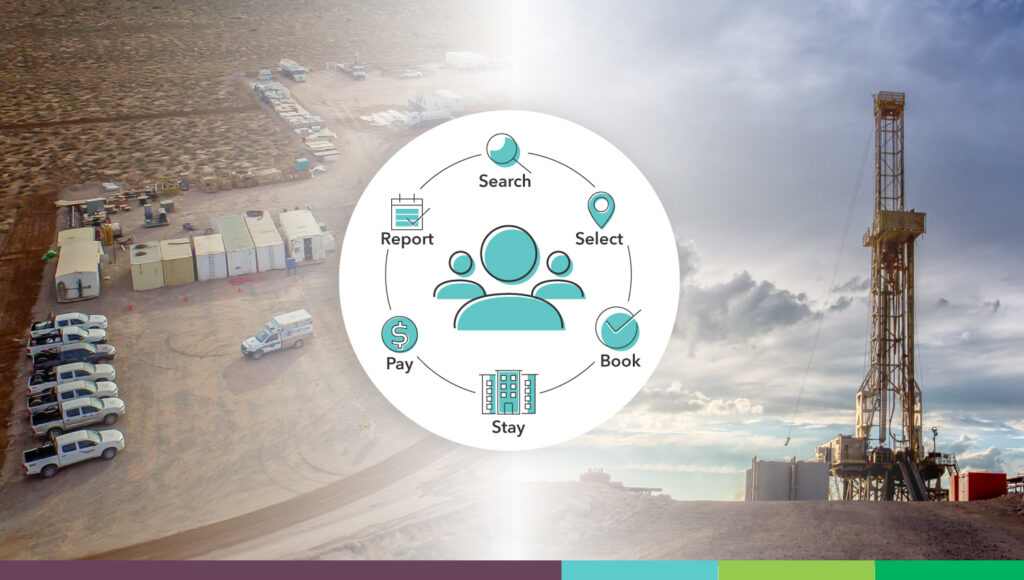
Key Components of Effective Energy Travel Management
Centralized Booking Processes
One of the most important elements of successful energy travel management is centralization. When multiple departments book accommodations independently, organizations often lose visibility into spending and workforce locations. Centralized systems help standardize booking procedures and create greater transparency.
Benefits include:
- Improved reporting
- Consistent policy enforcement
- Enhanced cost control
- Better supplier relationships
- Streamlined administration
Real-Time Workforce Visibility
Knowing where employees are located at any given time is increasingly important for operational planning and safety management. Modern travel solutions provide visibility into:
- Accommodation locations
- Arrival schedules
- Departure dates
- Crew assignments
- Travel expenditures
This information supports better decision-making and helps organizations respond quickly to changing project requirements.
Cost Optimization Strategies
Accommodation expenses can represent a substantial portion of project costs. Effective lodging hospitality management focuses on controlling expenditures through:
- Negotiated rates
- Consolidated bookings
- Preferred supplier programs
- Reduced administrative overhead
- Enhanced spending visibility
By implementing structured accommodation strategies, organizations can achieve significant cost efficiencies without compromising worker comfort.
Best Practices for Crew Accommodation Planning
Select Accommodations Near Project Sites
Long daily commutes can reduce productivity and contribute to worker fatigue. Choosing appropriate crew accommodations close to project locations can help:
- Minimize transportation costs
- Improve employee well-being
- Increase productive work hours.
- Support workforce retention
Proximity remains one of the most important factors when evaluating accommodation options for remote teams.
Prioritize Worker Comfort and Safety
Accommodations should meet established safety and quality standards. Workers assigned to demanding field environments benefit from:
- Comfortable sleeping arrangements
- Reliable internet access
- Meal availability
- Secure facilities
- Flexible check-in procedures
These factors directly influence workforce satisfaction and overall operational performance.
Maintain Flexibility
Energy projects can change rapidly due to weather conditions, operational requirements, regulatory approvals, or construction delays. Accommodation programs should allow for:
- Booking modifications
- Extended stays
- Last-minute changes
- Workforce scaling
Flexible remote workforce lodging solutions in Canada help organizations adapt to evolving project needs while maintaining continuity.
Technology’s Role in Modern Lodging Hospitality Management
The energy industry continues to embrace digital transformation, and workforce accommodation management is no exception.
Automation Improves Efficiency
Manual booking processes often create administrative bottlenecks. Technology-driven lodging hospitality management solutions can automate:
- Reservations
- Approvals
- Reporting
- Invoicing
- Policy compliance
Automation reduces errors while freeing administrative teams to focus on higher-value activities.
Data-Driven Decision Making
Access to travel and accommodation analytics enables organizations to identify opportunities for improvement. Key metrics include:
- Average nightly rates
- Occupancy trends
- Booking lead times
- Cancellation patterns
- Supplier performance
These insights support smarter planning and long-term cost management strategies.
Utility and Energy Sector Lodging Challenges
Geographic Limitations
Many projects are located in regions with limited accommodation inventory. Securing dependable utility and energy sector lodging often requires specialized expertise and established supplier networks.
Workforce Expansion
As energy infrastructure investments continue across Canada, organizations frequently scale operations quickly. Expanding workforce requirements can place pressure on existing accommodation resources, making strategic planning essential.
Regulatory and Safety Expectations
Organizations must also consider worker safety obligations and operational requirements when selecting accommodations. Consistent lodging standards help support compliance initiatives while reducing risk.
Building a Sustainable Travel Management Strategy
Establish Clear Travel Policies
Formal policies create consistency across the organization. Policies should address:
- Accommodation standards
- Approval processes
- Budget expectations
- Booking procedures
- Duty-of-care considerations
Clear guidelines reduce confusion while improving operational efficiency.
Partner with Industry Specialists
Companies that work with providers experienced in the energy sector travel management often gain access to broader accommodation networks and specialized expertise. For organizations seeking scalable workforce accommodation solutions across Canada, LodgeLink supports energy companies by simplifying accommodation sourcing, booking management, and workforce travel coordination for remote projects.
Continuously Evaluate Performance
Travel management strategies should be reviewed regularly. Organizations should monitor:
- Accommodation utilization
- Employee feedback
- Budget performance
- Booking efficiency
- Supplier effectiveness
Ongoing evaluation helps identify opportunities for continuous improvement.
The Future of Remote Workforce Lodging
As Canada’s energy sector continues to evolve, workforce mobility will remain a critical operational priority. Emerging trends include:
- Greater use of digital booking platforms
- Increased workforce flexibility
- Enhanced accommodation analytics
- Stronger duty-of-care programs
- Improved sustainability initiatives
Organizations that invest in modern energy travel management solutions today will be better prepared to meet future workforce demands.
Conclusion
Managing travel and accommodations for remote energy crews requires careful planning, operational visibility, and scalable processes. Effective energy sector travel management goes beyond booking rooms; it supports workforce productivity, project efficiency, safety compliance, and cost control.
As projects expand into remote regions and workforce mobility becomes increasingly complex, organizations must adopt strategic approaches to remote workforce lodging, crew accommodations, and utility and energy sector lodging. By leveraging technology, establishing clear policies, and implementing effective lodging hospitality management practices, energy companies can create a more efficient and resilient travel program that supports long-term operational success across Canada’s diverse energy landscape.
Frequently Asked Questions
What is energy sector travel management?
Energy sector travel management refers to the planning, coordination, and administration of workforce travel and accommodations for employees working on energy projects. It helps improve efficiency, reduce costs, and support worker safety.
Why is remote workforce lodging important in Canada?
Many energy projects are located in remote regions where accommodation options can be limited. Reliable remote workforce lodging in Canada helps ensure workers have safe, comfortable places to stay while maintaining project productivity.
How can companies reduce accommodation costs for energy crews?
Organizations can lower costs through centralized booking processes, negotiated supplier rates, accommodation planning, and data-driven travel management strategies that improve visibility and spending control.
What challenges are associated with utility and energy sector lodging?
Common challenges include limited accommodation availability, seasonal demand fluctuations, remote project locations, changing workforce requirements, and maintaining consistent lodging standards.
How does technology improve energy travel management?
Technology helps automate bookings, simplify approvals, improve reporting, enhance workforce visibility, and provide analytics that support better accommodation and travel decisions.
Ready to simplify crew accommodations and travel coordination? Reach out today to discover efficient lodging solutions tailored to the needs of remote energy projects and workforce mobility programs.