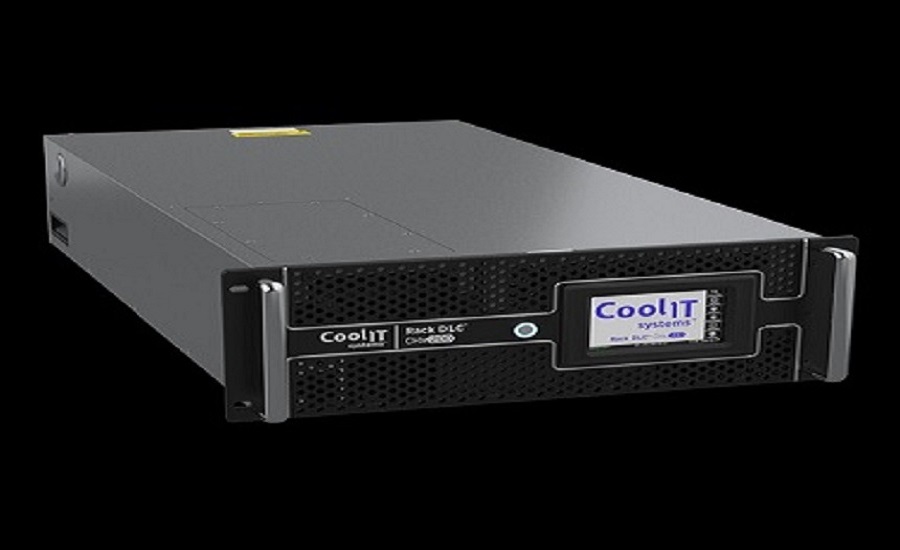
Modern data centers are under increasing pressure to support high-performance workloads such as artificial intelligence, cloud computing, and advanced analytics. These workloads generate significant heat, requiring more efficient cooling strategies than traditional air-based systems can provide. A coolant distribution unit plays a critical role in solving this challenge by enabling liquid-based thermal management close to the source of heat. Instead of relying solely on facility-wide air conditioning, these systems deliver targeted cooling directly to IT equipment.
Table of Contents
- Understanding the Role of a Coolant Distribution Unit
- How CDU Data Center Systems Work in Practice
- Why Data Centers Are Moving Toward Liquid-Based Cooling?
- Benefits of In-Rack CDU Architecture
- CoolIT Systems and Innovation in Liquid Cooling
- Technical Advantages of Cooling Distribution Units
- The Future of Data Center Cooling
- Conclusion
Understanding the Role of a Coolant Distribution Unit
A coolant distribution unit is a core component in liquid cooling architecture. It regulates, circulates, and manages coolant flow between IT equipment and facility-level cooling systems.
In a CDU data center, these systems act as the thermal bridge between high-density servers and external cooling infrastructure. They ensure that heat is efficiently transferred away from sensitive components without disrupting system performance.
Key Functions of CDUs
- Regulating coolant temperature and flow
- Maintaining pressure stability in liquid loops
- Ensuring safe separation between facility and server coolant loops
- Supporting scalable liquid cooling infrastructure
A properly designed cooling distribution unit improves efficiency and reduces the strain on traditional HVAC systems.
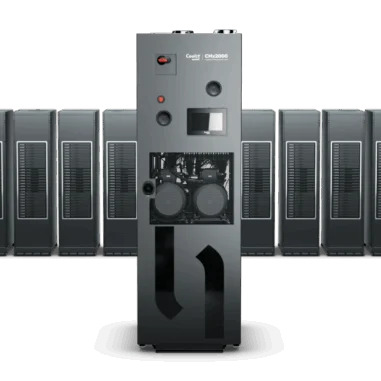
How CDU Data Center Systems Work in Practice
In a modern CDU data center, cooling is no longer limited to airflow management. Instead, liquid is circulated through precision-engineered loops that absorb heat directly from processors and GPUs.
Integration with Liquid Cooling Infrastructure
A coolant distribution unit connects facility water systems with server-side liquid loops. This separation ensures safety, reliability, and operational flexibility. In most deployments, CDUs act as intermediate systems that maintain thermal balance across the entire data center ecosystem.
Role of In-Rack Systems
An in-rack CDU is installed directly within server racks to provide localized cooling control. This allows heat to be managed at the rack level rather than across an entire room. In high-density computing environments, an in-rack CDU helps maintain consistent thermal performance even under heavy workloads.
Why Data Centers Are Moving Toward Liquid-Based Cooling?
The shift toward liquid cooling is driven by rising compute densities and energy efficiency requirements. Traditional air cooling systems are reaching physical and economic limits.
A coolant distribution unit supports this transition by enabling direct heat transfer through liquid loops instead of relying on air circulation alone.
Supporting High-Density Computing
A modern CDU data center must support workloads that generate extreme thermal output. Liquid-based systems provide more efficient heat removal compared to air cooling. This makes CDUs essential for AI clusters, machine learning systems, and high-performance computing environments.
Enhancing Energy Efficiency
Liquid cooling reduces the need for large-scale HVAC systems, improving overall energy efficiency. This allows operators to achieve better performance per watt in their infrastructure.
Benefits of In-Rack CDU Architecture
The in-rack CDU approach is becoming increasingly popular in Canada due to its modularity, scalability, and precision cooling capabilities. As data centers continue adopting AI, cloud computing, and high-density computing environments help operators improve thermal efficiency while supporting sustainability and energy-efficiency objectives.
Localized Thermal Control
By placing cooling systems directly within racks, heat is managed at the source. This reduces thermal transfer delays and improves system responsiveness.
Scalability for Modern Workloads
A CDU data center can scale more efficiently when using rack-level cooling solutions. Operators can expand infrastructure without redesigning entire cooling systems.
Improved Reliability
A well-designed coolant distribution unit enhances system stability by maintaining consistent coolant flow and temperature regulation across critical components.
CoolIT Systems and Innovation in Liquid Cooling
As demand for advanced cooling grows, CoolIT Systems continues to develop solutions that support next-generation computing environments. Their focus on modular and scalable cooling platforms enables organizations to transition toward liquid-based infrastructure with reduced complexity and improved efficiency.
By integrating CDUs into broader cooling ecosystems, they help ensure compatibility with evolving data center architectures.
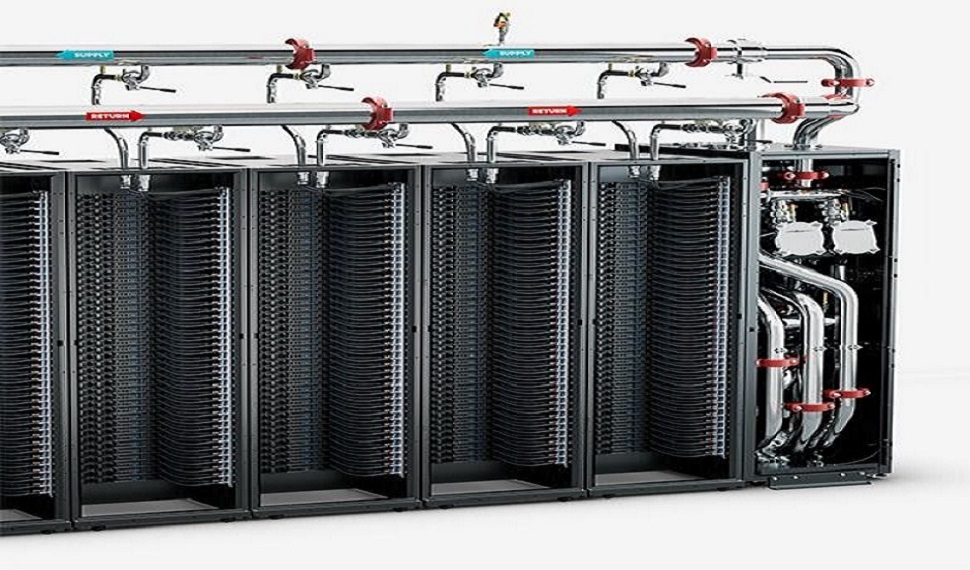
Technical Advantages of Cooling Distribution Units
A modern cooling distribution unit offers several engineering and operational advantages that make it essential for high-performance environments.
Thermal Efficiency
Liquid has a higher heat capacity than air, making it more effective at transferring heat away from critical components.
Reduced Energy Consumption
A CDU data center can significantly reduce energy usage by minimizing reliance on mechanical cooling systems.
Flexible Deployment Models
Whether deployed at the rack level or facility level, a coolant distribution unit can be adapted to different infrastructure designs and integrated with a wide range of data center equipment.
The Future of Data Center Cooling
As computing demands continue to grow, the role of liquid cooling will become even more important. CDUs are expected to evolve into highly intelligent systems capable of dynamic thermal optimization.
Expansion of Liquid Cooling Ecosystems
The adoption of in-rack CDU systems will likely increase as organizations look for modular and scalable cooling solutions. Future CDUs may integrate sensors and automation to optimize coolant flow in real time.
Sustainability Goals
A modern CDU data center contributes to sustainability by reducing energy consumption and improving thermal efficiency across operations.
Frequently Asked Questions
What is a coolant distribution unit used for in data centers?
A modern coolant distribution unit manages and circulates liquid coolant between servers and cooling infrastructure. It helps efficiently remove heat from high-density computing systems and improves overall thermal stability.
How does a CDU data center improve cooling performance?
A CDU data center uses liquid-based cooling instead of relying only on air systems. This allows faster heat transfer, better energy efficiency, and stable performance under heavy workloads.
What is an in-rack CDU and why is it important?
An in-rack CDU is installed directly inside server racks to provide localized cooling. It ensures precise thermal control and supports high-performance computing environments in Canada.
Why are CDUs essential for modern workloads?
CDUs are critical for AI, cloud, and HPC workloads because they handle extreme heat loads efficiently. They help maintain system reliability and reduce overheating risks.
How do cooling distribution units improve efficiency?
A cooling distribution unit improves efficiency by using liquid to absorb and transfer heat more effectively than air cooling. This reduces energy consumption and enhances system performance.
Conclusion
As data centers evolve to support increasingly complex workloads, efficient thermal management becomes a foundational requirement. A coolant distribution unit provides the precision and scalability needed to support modern infrastructure demands. From rack-level solutions to full CDU data center deployments, liquid cooling systems are reshaping how heat is managed in digital environments.
To explore how these systems are transforming modern infrastructure in real-world applications, learn more about CDU data center on the map and discover how advanced cooling strategies are enabling the next generation of high-performance computing.