In the world of manufacturing, operational efficiency is everything. From production schedules to machinery uptime, every detail matters. One often overlooked yet critically important factor in optimizing efficiency and reducing energy consumption is the selection of lubricants.
Table of Contents
- The Role of Lubricants in Manufacturing
- Energy Loss from Friction: A Hidden Expense
- How Lubricants Influence Energy Efficiency
- The Importance of Choosing the Right Lubricants
- Bulk Lubricants: Cost-Efficient and Consistent Supply
- High Performance Lubricants: Worth the Investment?
- What to Expect from a Strategic Lubricant Partnership
- FAQs About Lubricants in Manufacturing
- Conclusion
The right lubricants don’t just reduce friction—they also play a significant role in minimizing energy use, extending equipment life, and lowering overall maintenance costs. Here in this post, we explore how choosing the right oil lubricants, including high performance lubricants, can directly impact your facility’s energy efficiency.
The Role of Lubricants in Manufacturing
Lubricants are substances used to reduce friction, heat, and wear between mechanical components in motion. In manufacturing, they are applied to machines such as conveyors, bearings, gearboxes, compressors, and hydraulic systems.
By minimizing resistance, lubricants allow equipment to operate smoothly and with less effort. This not only protects machinery but also directly reduces the amount of energy required for operation.
Energy Loss from Friction: A Hidden Expense
In an industrial setting, friction accounts for a significant percentage of energy loss. Studies show that friction and wear in mechanical systems can contribute to more than 20% of global energy consumption in manufacturing environments.
When machinery is under-lubricated or using the wrong type of lubricant, motors and engines must work harder. This leads to increased energy draw, higher electricity costs, and greater wear on parts. Simply put, poor lubrication results in unnecessary energy waste.

How Lubricants Influence Energy Efficiency
1. Reduction in Friction and Heat
Proper lubrication reduces the coefficient of friction between moving parts. Less friction means lower heat generation, reduced energy consumption, and longer operational cycles.
2. Improved Mechanical Efficiency
Machines that are well-lubricated operate more smoothly and require less torque and force to function. This efficiency reduces the load on motors and drives, translating directly into energy savings and extending service life.
3. Extended Equipment Life
Using the right oil lubricants also protects parts from wear and corrosion. This reduces the frequency of repairs and replacements, and more importantly, keeps the machinery running at optimal energy output.
4. Optimized Start-up and Operating Temperatures
High performance lubricants are engineered to perform across a broad range of temperatures. They help reduce resistance during cold starts and maintain stability under high-heat operating conditions—both of which are key to efficient energy use.
The Importance of Choosing the Right Lubricants
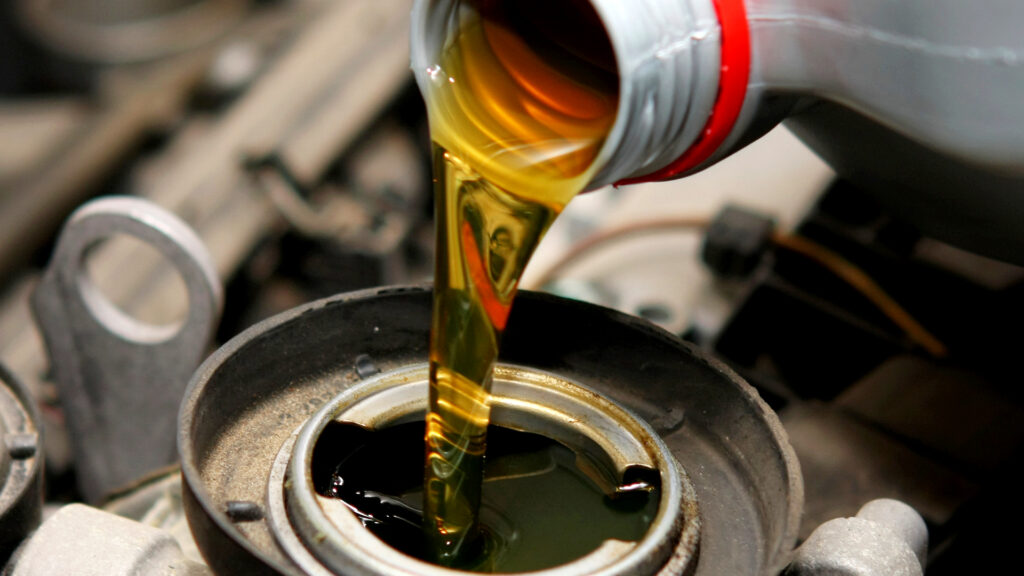
All lubricants are not created equal. Selecting the wrong viscosity grade or formula can cause as much damage as using no lubricant at all. The manufacturing industry requires tailored solutions, and this is where reliable industrial lubricant distributors and lubricant suppliers play a critical role.
Here’s what to consider:
- Viscosity: Choosing the appropriate thickness affects how the lubricant flows under operating conditions.
- Additives: Specialized additives enhance properties such as anti-wear, anti-corrosion, and thermal stability.
- Compatibility: Lubricants must be compatible with the materials they are in contact with and the conditions they’ll be exposed to.
- Application: From bearings to compressors, every machine requires a specific type of lubricant for maximum efficiency.
Working with a knowledgeable lubricant distributor ensures you get the best match for your operation’s needs.
Bulk Lubricants: Cost-Efficient and Consistent Supply
For large manufacturing facilities, sourcing bulk lubricants is not just a cost-saving move—it also supports consistency and supply chain efficiency. Bulk purchasing from trusted lubricant suppliers allows you to:
- Maintain continuous availability
- Reduce packaging waste
- Lower overall unit costs
- Standardize lubricant use across all equipment
This bulk strategy, when managed properly, can enhance overall energy management by ensuring the right lubricants are always available and used correctly.
High Performance Lubricants: Worth the Investment?
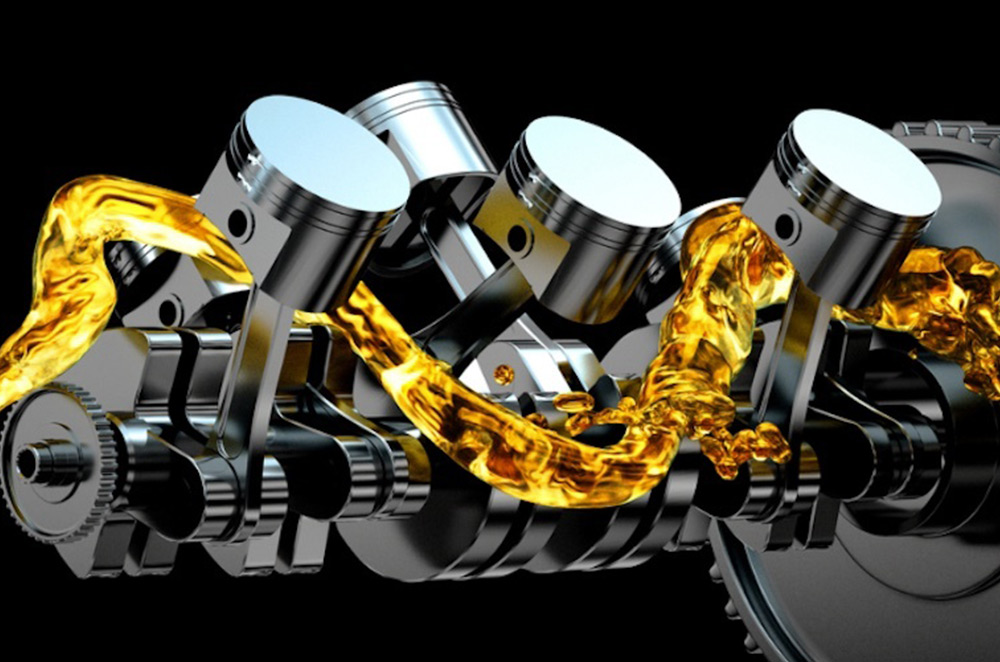
Some plant managers hesitate to switch to high-performance lubricants due to their higher upfront cost. However, these advanced formulations are specifically designed to:
- Reduce internal drag
- Withstand extreme pressures
- Resist breakdown over time
- Improve energy transmission efficiency
While they may cost more per unit, high performance lubricants can deliver significant energy savings over time—making them a smart investment for long-term ROI.
What to Expect from a Strategic Lubricant Partnership
Working with the right lubricant supplier is more than just sourcing oil—it’s about forming a long-term partnership that supports your operational goals. A forward-thinking lubricant distributor can help you implement best practices, optimize energy use, and extend the life of your equipment.
Here’s what a valuable partnership should bring to the table:
Application-Specific Guidance
Instead of a one-size-fits-all approach, the right distributor evaluates your machinery, workloads, and environmental conditions to recommend lubricants tailored to your facility’s needs.
Energy-Efficient Solutions
Experienced industrial lubricant distributors stay up-to-date with the latest in high performance lubricants and energy-saving technologies. They can help you transition to products that reduce power draw and improve machine efficiency.
Inventory Management
Efficient suppliers help you avoid stockouts and over-ordering by offering bulk lubricants with flexible delivery schedules and remote tank monitoring. This ensures uninterrupted production while minimizing waste.
Compliance & Safety Support
A reputable supplier will help ensure your lubricant handling and storage practices meet OSHA, EPA, and ISO standards—reducing risks and potential fines.
Ongoing Technical Support
In addition to product delivery, top-tier lubricant suppliers offer oil analysis programs, staff training, and continuous performance monitoring—giving you the tools to stay ahead of equipment issues and control energy consumption.
FAQs About Lubricants in Manufacturing
Can using the wrong lubricant increase energy consumption?
Yes. The wrong lubricant can cause increased friction, overheating, and wear, forcing equipment to use more energy and reducing overall efficiency.
How often should lubricants be changed to maintain energy efficiency?
This depends on operating conditions, machine type, and lubricant quality. High performance lubricants often offer extended intervals. Always follow OEM recommendations.
Are synthetic lubricants better for energy savings?
Generally, yes. Synthetic lubricants offer better thermal stability and lower friction coefficients, which can translate into measurable energy savings over time.
What role do lubricant distributors play in energy management?
Lubricant distributors ensure the correct products are selected and used efficiently. They often offer testing, training, and supply chain support to maximize performance and energy savings.
How do I calculate energy savings from lubricant upgrades?
Energy savings can be tracked by monitoring equipment efficiency, energy consumption, and maintenance frequency before and after switching to a recommended lubricant.
Conclusion
Choosing the right lubricants isn’t just about protecting machinery—it’s a strategic move that directly affects your bottom line. In energy-intensive manufacturing environments, better lubrication equals less friction, reduced energy waste, lower maintenance costs, and longer equipment life.
By partnering with a trusted lubricant distributor and using high performance lubricants, manufacturers can make smarter decisions that lead to measurable operational gains. Whether through bulk lubricants or tailored solutions, the impact of proper lubrication on energy consumption is too significant to ignore.